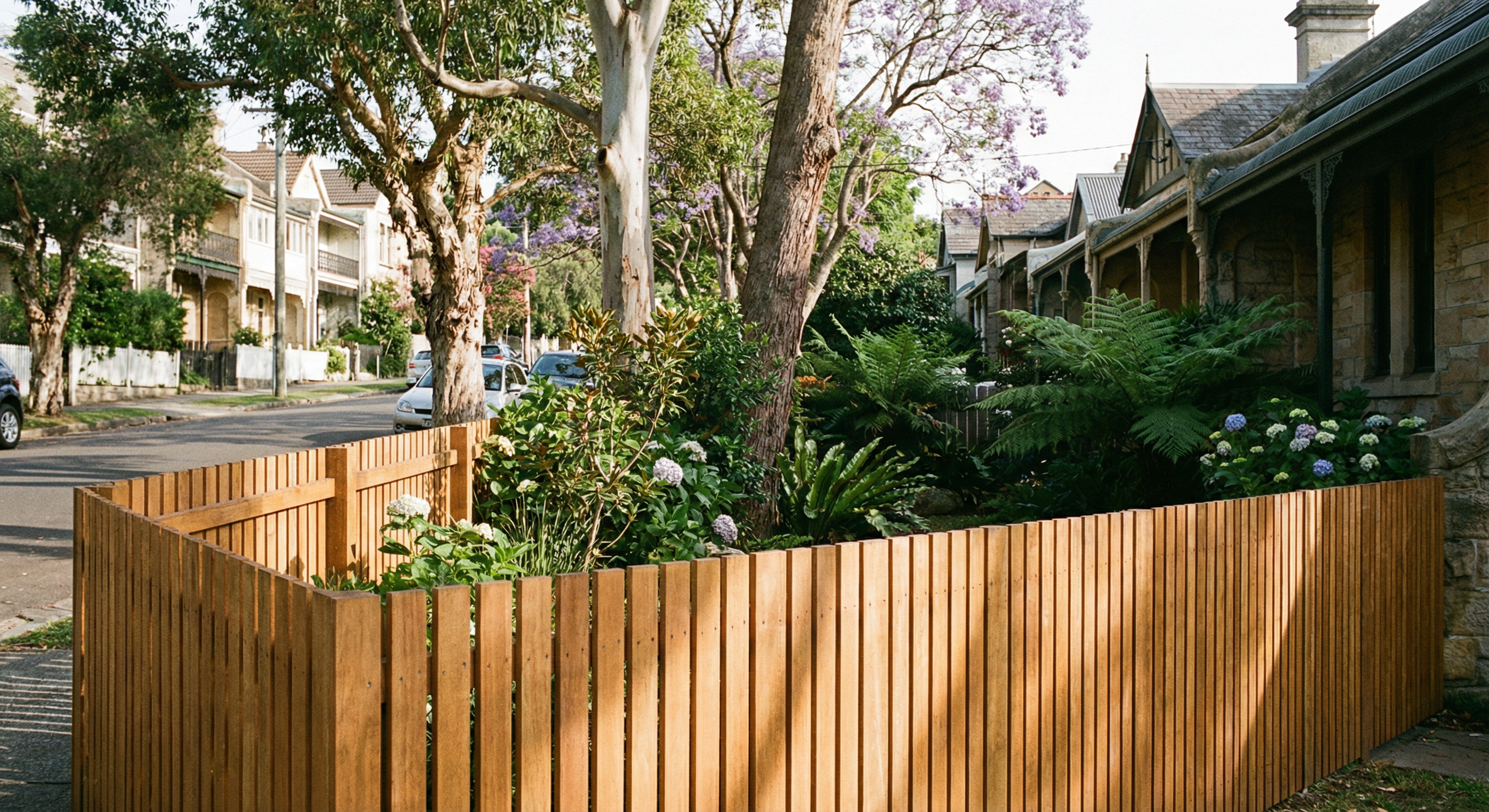
Mastering the Perfect Fence: Why Professional Care Outlasts DIY
A well-maintained fence is more than just a boundary; it is the frame for your home's outdoor aesthetic and the first line of defence against the elements.
Whether you are looking to refresh a weathered paling fence or protect a new installation, the difference between a "weekend project" and a professional finish lies in the details of preparation, product selection, and application.
The Foundation of a Great Finish
The most common mistake homeowners make is rushing straight to the paint. Professionals know that prep work is 90% of the job. If your fence is older, greying, or showing signs of moss, a simple rinse won't suffice. Using specialised timber and deck washes or mould killers is essential to open the wood grain and ensure the new coat actually bonds to the surface.
Beyond cleaning, you must manage your environment. Professionals always check the forecast, not just for the day of application, but for the day after, to ensure the paint cures evenly without being compromised by rain or extreme humidity.
Spraying vs. Brushing: The Pro Approach
While many homeowners pick up a brush or a roller, professionals often utilise high-quality sprayers for speed and deep coverage. However, spraying isn't as simple as pointing and pulling a trigger.
- Saturation is Key: For oil-based stains, the goal is to saturate the wood to the "point of rejection". This means applying enough material so the timber is fully nourished and protected from UV and moisture.
- The "Back Brush" Technique: Even when using a sprayer, pros follow up with a brush to drive the product deep into the grain and smooth out any drips. This ensures a uniform look that a DIY spray-only job often lacks.
- Managing Overspray: A professional setup includes drop sheets and shields (like cardboard or specialised mesh) to protect your garden, your neighbour's property, and your driveway from stray paint particles.
Choosing the Right Product
The debate between oil-based and water-based products often comes down to the wood's condition. Oil-based stains are favoured for their penetration and durability, while solid stains and paints (like Wattyl Solagard) offer a modern film-forming layer that provides excellent opacity and colour consistency.
If you are dealing with a "variegated" fence, where boards have different densities and textures, a professional can help you choose between a semi-transparent finish that highlights natural character or a solid stain for a perfectly uniform appearance.
The Secret to Longevity: Application Timing
One of the most technical aspects of fence care is the "wet on wet" application. For many transparent stains, adding a second coat must be done while the first is still wet to prevent peeling. If the first coat dries too much, it may actually reject the second layer, leading to a finish that flakes off within a year.
Why Hire a Professional?
While a DIYer might spend an entire weekend (or two) struggling with uneven coats and messy cleanup, a professional team brings specialised tools, from fence roller kits to high-pressure sprayers, to get the job done efficiently and with a superior level of detail.
In some cases, specialised techniques like using a soft-bristle scrub brush for latex stains can even be 10 times faster than traditional rolling, but only when executed with the right consistency and pressure.
Let Me Transform Your Backyard
Don't let a weathered fence bring down your property value. Save your weekends and ensure your timber is protected for years to come. Contact me today for a professional fence painting or staining quote.